KDP formatting help
AI children's book illustrator
A children's book needs a character who stays the same on every spread.
The hard part is not one charming illustration. It is the same character, in the same world, at the same age, across twenty or thirty pages. Plan the visual system before generating the first spread.
Checked:
✓Character consistency plan✓Spread composition for read-aloud✓KDP trim and bleed checks
Book media prompt lab
Book media prompt lab
Build a production-ready prompt before you spend a generation credit. The preview is free and runs in your browser.
Add a title, choose a direction, then build the prompt.
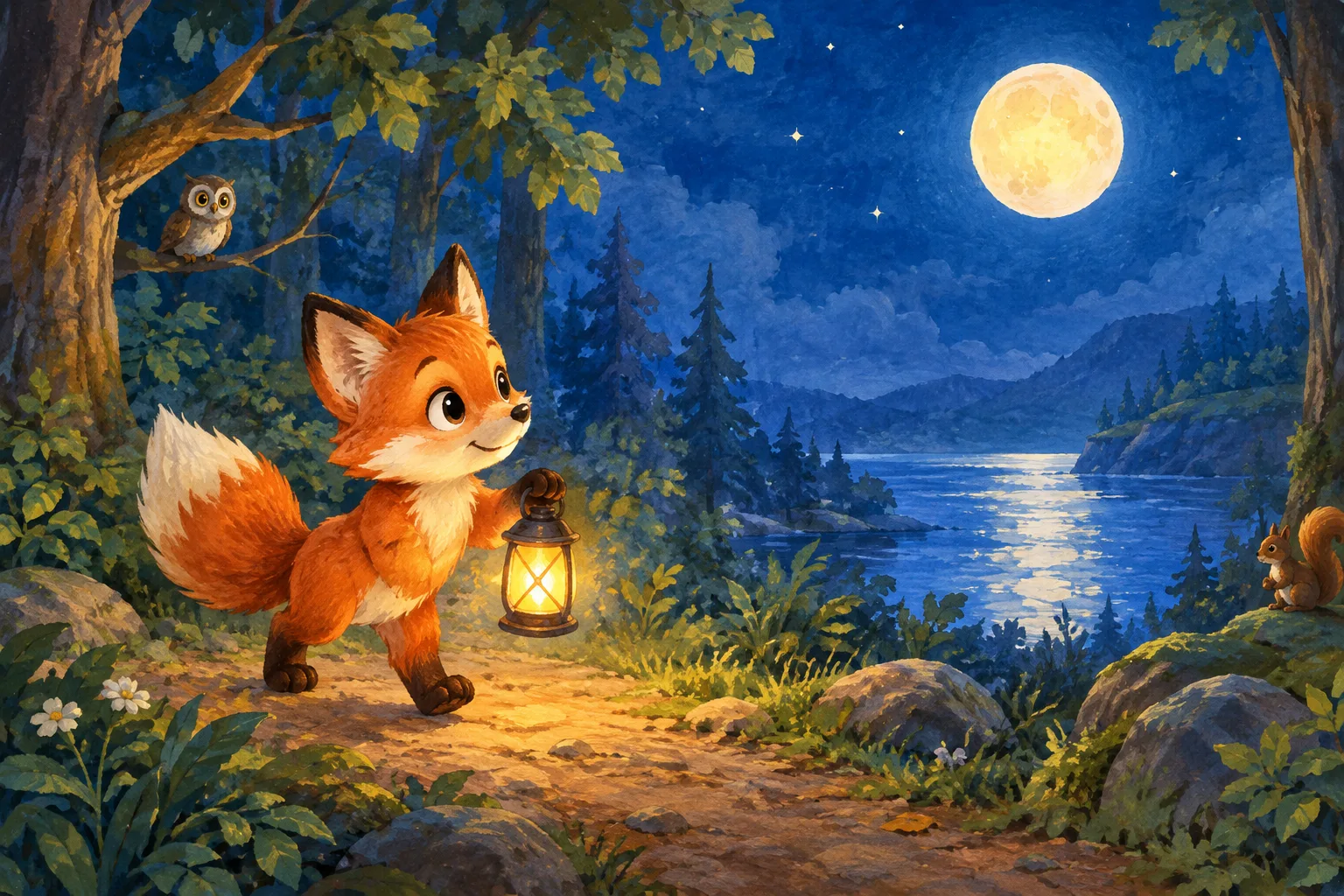
Start with a character sheet, not a page
Before generating a spread, describe the character in a short, repeatable sheet: age, body shape, hair or fur, clothing, one distinctive accessory, and one color that always appears. The sheet becomes the reference for every prompt. Without it, the character changes shape, age, and costume between pages.
Keep the sheet small enough to paste into every prompt. A long description invites the model to reinterpret details. The goal is recognition, not exhaustive realism.
- One body shape and one face shape
- One signature accessory
- One recurring color
- One consistent age and height
Compose for the read-aloud
A picture-book spread is read aloud by an adult and viewed by a child at the same time. The image needs a clear focal point, a place for the text, and enough visual story to reward a second look. Avoid crowding the page with small details that disappear at reading distance.
Leave a text-safe area in every spread. The text may sit in the sky, on a wall, or in a calm corner of the illustration. If the art fills every corner, the type will land on a busy background and the page will feel harder to read.
| Age | Visual density | Text per spread |
|---|---|---|
| 2-4 | One focal character, simple background | One short line |
| 4-6 | A clear scene with a few supporting details | Two or three short lines |
| 6-8 | More environment and secondary action | A short paragraph |
| 8-10 | Chapter-book energy, more characters | Longer text, fewer full spreads |
Choose a trim size before the art
Children's books use different trim sizes from novels. Square formats are common for picture books, while 8.5 x 11 is common for coloring and activity books. The trim changes the composition: a square spread needs a different focal point than a portrait page.
If any art reaches the edge, the file needs bleed. Keep the character and the text inside the safe area. Check the final page count and the spine before you design the cover. A picture book with a different paper or page count will have a different wrap.
Use image models as an illustration assistant
An image model can explore a character, a palette, or a spread composition. It cannot guarantee the same character across thirty pages without a reference system. Use the model to test the visual language, then keep a reference image and a short character sheet for each new page.
For a coloring book, the interior needs clean line art rather than painted spreads. The cover can be in color, but the inside pages need thick, closed outlines and no gray fill. Treat the cover and the interior as two different production jobs.
Disclose AI assistance honestly
If the illustrations are AI-generated or AI-assisted, disclose that when the retailer asks. Keep records of the prompts, the reference images, and the human edits. If a child or a real person appears in the book, make sure you have permission to use their likeness.
Do not promise that a model will produce a consistent character without review. The author and illustrator still own the visual decisions, the page order, and the final quality check.
FAQ
Frequently asked questions
Can AI illustrate a whole children's book?
It can generate drafts and explore a visual language, but a consistent character across a full book still needs a reference sheet and human review. Treat the model as an assistant, not a replacement for art direction.
What trim size should a picture book use?
Square formats are common for picture books, while 8.5 x 11 is common for coloring and activity books. Choose the trim before composing the spreads and check the KDP size list.
How do I keep the character consistent?
Write a short character sheet with body shape, face, age, clothing, one accessory, and one color. Use the same sheet and a reference image for every spread.
Do children's books need bleed?
If any illustration reaches the edge of the page, yes. Keep the character and the text inside the safe area and extend the background past the trim.
Can I use AI art in a KDP children's book?
You can submit AI-assisted artwork when you have the rights and disclose it honestly when asked. Amazon makes the final acceptance decision.
Should the cover and interior use the same style?
They should feel like the same book, but they have different jobs. The cover sells the promise; the interior carries the read-aloud experience. A coloring book interior also needs line art rather than painted art.
Was this publishing guide or tool helpful?
Plan the character before the first spread.
Use the book workspace to shape the outline and the visual brief, then check the trim, bleed, and cover wrap before you export.